How I Plan Every Trip — My Personal Method
I am an anxious traveller. I need to know everything in advance — what I will eat on the first day, how I will get from the airport, whether taxis exist in that remote area. This is not anxiety — it is a system. And it works.
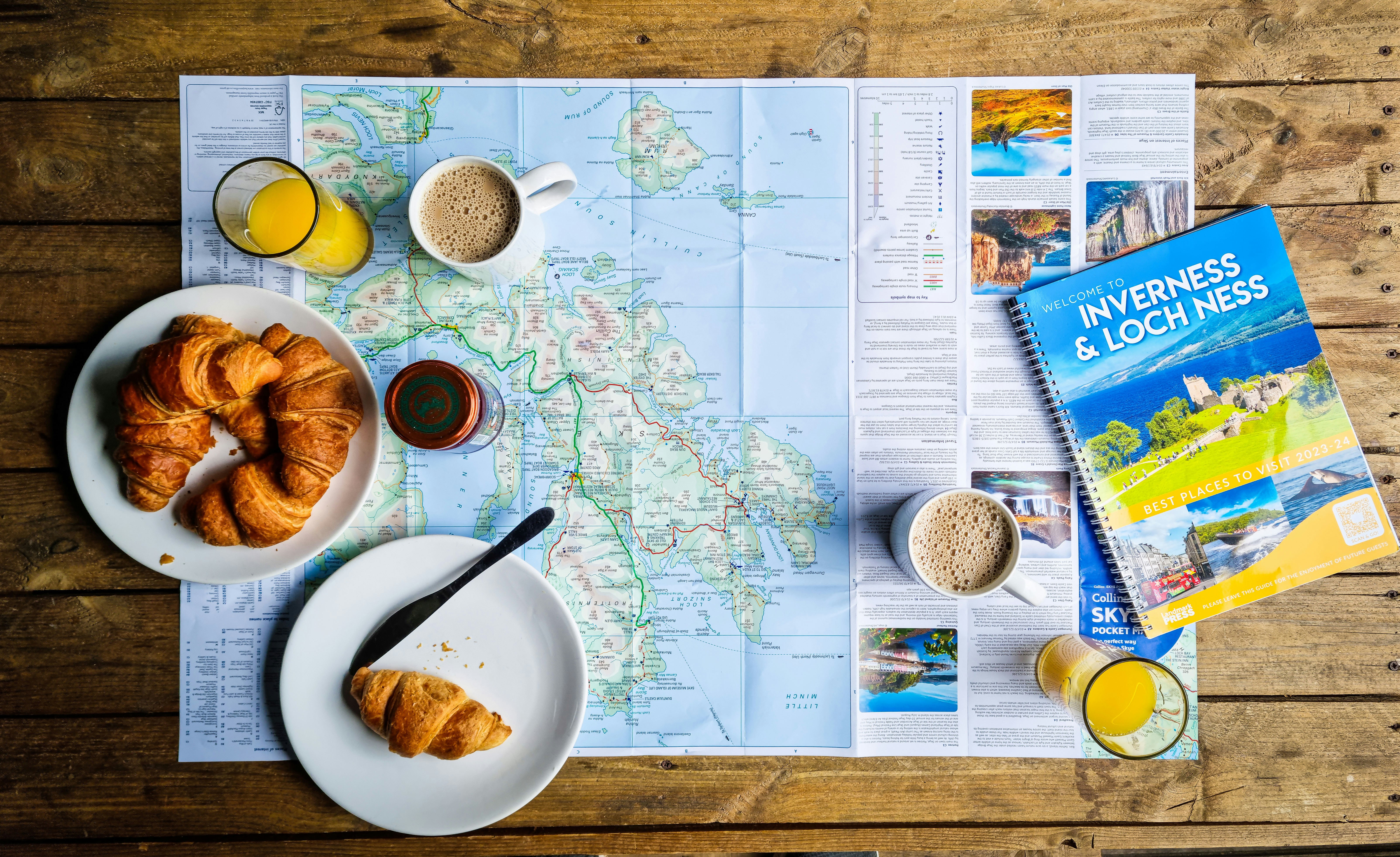

Why I Started Planning This Carefully
Hakone, Japan. My birthday. We arrived at a small mountain resort and had no idea that taxis there are almost non-existent — every car was booked weeks in advance. We ended up walking to the train station at 5am with two large suitcases. If I had known this beforehand, I would simply have arranged a transfer with the ryokan.
Since then I have a system. It takes 3–4 hours of preparation and saves days of ruined mood on location.
📋 My 5 Planning Stages
Stage 1 — Destination & Dates
Check the season: when is it rainy, too hot, peak tourist crowds
Check visa requirements — processing time, required documents
Compare flight prices across 2–3 date combinations — difference can be 30–40%
Ask the AI agent: 'What should I know about [destination] — non-obvious advice'
Stage 2 — Transport
Airport transfer: exact route, price, time
Inter-city transport: trains/buses, cost, advance booking needed
Local transport: are taxis available? Does Uber/Grab work? Is a rental car needed?
My main lesson from Hakone: always research transport separately for each point on your route — not just 'how to reach the country' but 'how to move within each specific city or area'.
Stage 3 — Accommodation
Choose the neighbourhood first, then the specific hotel
Read reviews from the last 3 months, not the overall rating
Check walking distance to transport, not map distance
Compare Booking and Agoda — prices sometimes differ by 15–20%
Stage 4 — Day-by-Day Itinerary
List everything I want to see — without order
Group by geography: what is close to what
Allocate to days: no more than 3–4 major sights per day
Check opening hours, whether advance booking is needed, entry costs
Leave one 'empty' day in every 7 — for the unexpected
Stage 5 — Hidden Complications Research (Most Important)
This is what guidebooks don't cover. I ask the AI agent and read recent forum posts:
Is there transport in this specific area, or do I need my own vehicle?
Where can I eat on the first day if I arrive late or early?
What mistakes do tourists commonly make in this specific city?
Are there queues? Do I need to book 2–3 weeks in advance?
What doesn't accept card payment and requires cash?
❓ FAQ
How much time does trip planning take?
For me: 3–4 hours for an average trip of 7–14 days. Broken down: 1 hour for itinerary, 30 minutes for transport, 30 minutes for accommodation, 1 hour for hidden complications research. It sounds like a lot but it saves days of avoidable problems.
How not to over-plan and leave room for spontaneity?
The empty day rule: for every 6–7 days of travel, keep one day unplanned. And I never schedule more than 3 major sights per day — realistically you only fully experience 2–3 anyway, and overplanning creates stress rather than joy.