Ryokans in Japan — The Complete Guide 2026
A ryokan is not just a hotel — it is a complete cultural experience. You sleep on a futon on tatami, wear a yukata robe, soak in a natural hot spring and eat a 10-course kaiseki dinner without leaving your room. One night in a good ryokan costs more than three nights in a business hotel — and is completely unforgettable.
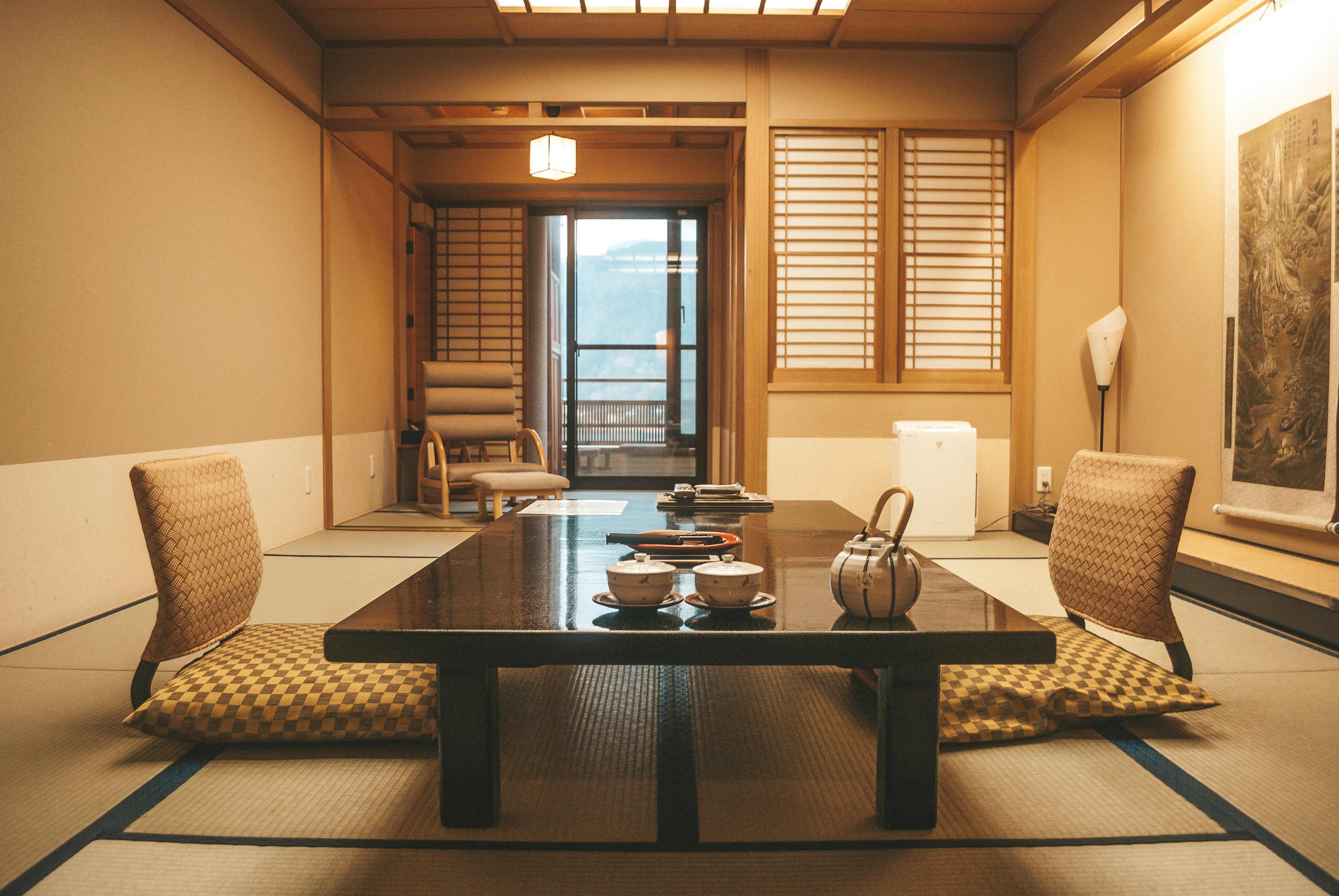

A ryokan is a traditional Japanese inn with tatami floors, futon beds, onsen (hot spring bath) and multi-course kaiseki dinner served in your room. Prices from $60 to $500+ per person per night including dinner and breakfast. Best regions: Hakone, Nikko, Kinosaki, Beppu.
💰 How Much Does a Ryokan Cost
Category | Price per person/night | What's included | Best for |
Budget minshuku | $40–70 | Breakfast, sometimes dinner, shared onsen | Backpackers, first-timers |
Mid-range ryokan | $80–150 | Kaiseki dinner + breakfast, onsen, yukata | Couples, first experience |
Premium ryokan | $150–300 | Full kaiseki, private onsen, high service | Special occasions |
Luxury ryokan | $300–500+ | In-room private onsen, sake tasting | Honeymoon, anniversary |
⚠️ Important: ryokan prices are quoted per person, not per room. And they include both dinner and breakfast. Calculate correctly — $120/person = $240 for two, but includes two full meals.
🏯 Top Ryokans by Region
Hakone — Best Day Trip from Tokyo
⚠️ Non-obvious tip: taxis in Hakone are extremely scarce and get booked 2–3 weeks in advance. If travelling without a car — arrange a ryokan transfer in advance, or plan your route using the Romancecar train and Hakone Ropeway.
Ryokan | Price/person/night | Onsen | Highlight |
Gora Kadan | $280–450 | Private + communal | Former imperial villa |
Hyatt Regency Hakone | $180–280 | Open-air mountain views | World-class service |
Ichinoyu Honkan | $90–140 | Historic onsen | 350 years of history |
Hakone Yuryo | $70–110 | Day-use onsen (no overnight) | Perfect for a day visit |
💡 Essential Tips
Book 1–2 months ahead — good ryokans especially on weekends fill fast
Inform of allergies and dietary restrictions at booking — kaiseki contains seafood
Tattoos: many onsen ban tattooed guests. Always check before booking
Shoes off at the entrance — always. Wear presentable socks
Tipping is not practised in Japan — excellent service is expected without gratuity
Onsen rules: no swimwear. This applies universally across all traditional baths
❓ FAQ
What is a ryokan and how is it different from a hotel?
A ryokan is a traditional Japanese inn. You sleep on a futon on tatami, eat kaiseki (multi-course dinner) in your room and bathe in an onsen (natural hot spring). It is a cultural experience, not just accommodation. Minshuku is a simplified family-run version.
Where is the best ryokan near Tokyo?
Hakone — 90 minutes on the Romancecar train. The most accessible option for a one or two-night trip from Tokyo. Nikko — slightly further (2 hours) with spectacular UNESCO temples. Atami — by the sea, 1 hour. All three are accessible without a rental car.
Can I stay in a ryokan with tattoos?
Some ryokans accept tattooed guests, especially newer boutique ones. Traditional onsen and older establishments often prohibit visible tattoos. Always ask explicitly when booking — staff will appreciate your consideration.